
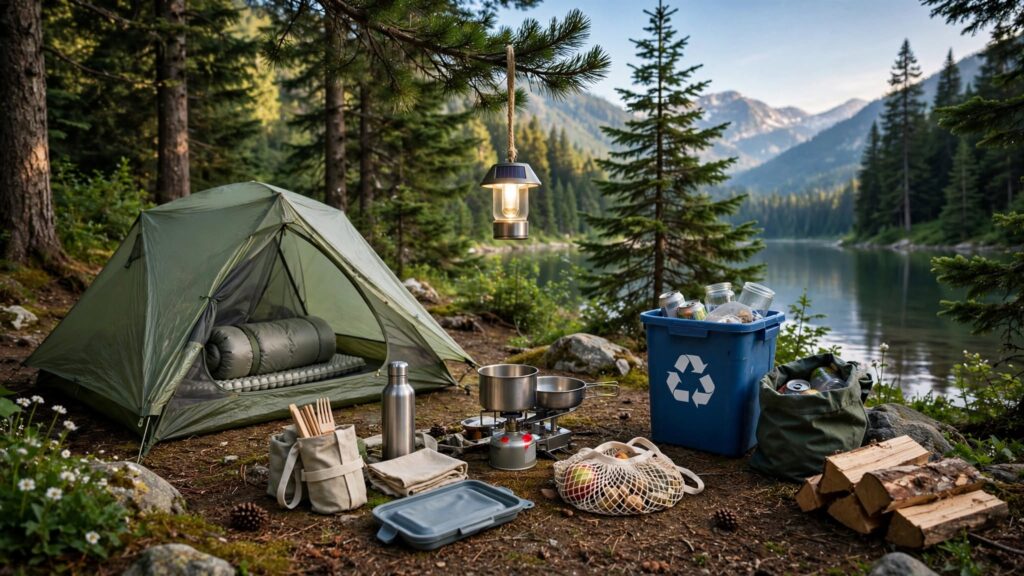
A weekend camping getaway can provide a refreshing change of pace without requiring a long holiday or complicated travel arrangements. With only a couple of days available, however, good planning matters. Choosing a suitable campground, checking the weather, packing the right equipment, organizing meals, and planning your arrival can make the difference between a relaxing outdoor break and a rushed weekend spent solving avoidable problems.
Learning how to plan a weekend camping getaway is mostly about keeping things practical. You do not need an elaborate itinerary or excessive gear. Instead, focus on the essentials and make decisions that allow you to spend more of your limited time enjoying the outdoors.
Start by Choosing the Right Camping Destination
For a short camping trip, distance is an important consideration. A beautiful campsite may look appealing, but spending most of Friday evening and Sunday afternoon driving can reduce the value of a weekend escape.
Look for a destination that offers a reasonable balance between travel time and the outdoor experience you want. Depending on your preferences, this could be a forest campground, lakeside site, coastal camping area, mountain location, or family-oriented campsite with facilities.
Check the Campground Before Making Plans
Do not assume every campsite provides the same facilities. Before deciding where to stay, check practical details such as:
- Toilet and shower availability
- Drinking water access
- Vehicle access and parking
- Electricity or charging facilities
- Campfire and cooking rules
- Tent, caravan, or motorhome restrictions
- Check-in and departure arrangements
If you prefer quiet camping, also consider campsite spacing and nearby activities. Families may place greater importance on playgrounds, swimming areas, easy walking routes, and convenient facilities.
Check the Weather and Local Conditions
Weather can influence nearly every part of a camping weekend, from clothing choices to cooking arrangements. Check the forecast shortly before leaving, but prepare for reasonable changes rather than relying on one prediction.
Rain does not necessarily mean cancelling a camping trip. A waterproof tent, suitable outer layers, dry storage, and a sheltered cooking arrangement can make wet conditions manageable. Strong winds, extreme temperatures, storms, or unsafe road conditions deserve more careful consideration.
Also investigate any local restrictions that could affect your plans, particularly rules concerning fires, swimming, trail access, pets, or vehicles.
Plan Your Camping Gear Around the Trip
One common mistake when preparing for a weekend camping trip is packing for every possible situation. Extra equipment takes up space and makes setting up and packing away more time-consuming.
Start with your sleeping and shelter system. A tent should be appropriate for the expected conditions and large enough for the people using it. Bring sleeping bags suited to the temperature, sleeping mats or mattresses, and pillows if needed.
Other useful camping essentials include lighting, weather-appropriate clothing, basic cooking equipment, water containers, toiletries, rubbish bags, and a simple first-aid kit.
Test Important Equipment at Home
A weekend getaway is not the ideal time to discover that a tent pole is missing or a camping stove is difficult to operate.
If equipment has been stored for a long period, inspect it before departure. Set up an unfamiliar tent at home, check battery-powered lights, examine sleeping equipment, and make sure cooking gear has all necessary components.
This small amount of preparation can save considerable time after arriving at the campsite.
Create a Simple Weekend Camping Meal Plan
Food planning should match the length and style of the trip. For two or three days, complicated recipes often create unnecessary preparation and washing up.
Choose meals that use a manageable number of ingredients and can be prepared with the cooking equipment available. You might prepare ingredients at home, pack an easy breakfast, bring sandwiches or wraps for lunch, and plan one cooked evening meal.
Consider how food will be stored safely throughout the trip. A cooler or suitable insulated storage may be necessary for ingredients that need to remain cold. Keep food protected from animals and follow any specific food-storage requirements at the campground.
Do not forget drinking water. If potable water is unavailable at your destination, calculate what you need for drinking, cooking, and basic cleaning before leaving.
Build a Flexible Camping Itinerary
A weekend camping getaway does not need to be scheduled hour by hour. In fact, too many planned activities can make a short outdoor trip feel unnecessarily busy.
Instead, choose one or two main activities. These might include hiking, fishing, swimming, cycling, kayaking, wildlife watching, or simply spending time around the campsite.
Leave some unstructured time in the schedule. Weather may change, a walking route may take longer than expected, or you may simply decide that relaxing at camp is more enjoyable than following the original plan.
Pack Strategically Before Departure
Create your camping checklist several days before leaving rather than packing everything at the last minute. Group items by purpose, such as shelter, sleeping, cooking, clothing, hygiene, food, and safety.
Frequently needed items should remain easy to reach. There is little benefit in placing rainwear, drinking water, or a flashlight underneath all your other equipment.
Before leaving home, complete a final check for easily forgotten essentials such as medications, identification, campsite booking details, phone chargers, keys, and suitable footwear.
Arrive With Enough Time to Set Up
Whenever possible, reach the campground while there is still enough daylight to understand the site and organize your equipment comfortably.
Before pitching a tent, inspect the ground. Look for uneven surfaces, poor drainage, sharp objects, exposed roots, and other features that could make sleeping uncomfortable or create problems if it rains.
Once your shelter is ready, organize cooking equipment, lighting, food, and clothing so you know where everything is located. A few minutes of organization at the beginning can prevent repeated searching throughout the weekend.
Leave Time for an Easy Departure
Sunday morning can become stressful when packing is left until the final minute. Start organizing gradually rather than dismantling everything immediately before departure.
Pack equipment that is no longer needed, dispose of rubbish correctly, and check the campsite carefully for personal belongings. If your tent is wet, it may need to be unpacked and dried properly after returning home before being stored.
Following Leave No Trace principles also means taking responsibility for waste and minimizing unnecessary disturbance to the campsite and surrounding environment.
Conclusion
Knowing how to plan a weekend camping getaway is less about creating a complicated itinerary and more about making a few practical decisions in advance. Choose a destination that suits the limited time available, understand the campground facilities, prepare for the weather, test essential equipment, and keep meals and activities manageable.
A well-organized weekend also leaves room for flexibility. Once the essentials are covered, you can spend less time dealing with logistics and more time hiking, cooking outdoors, exploring the surroundings, or simply enjoying a quieter couple of days away.